The only time I had ever been to Iceland before 2025 was in July 2001 on a day trip organised by Birdwatch. Dominic had organised two charter trips, one from Luton and another from Manchester. I was on the Manchester trip led by Steve Young and local Icelandic guide Gunnar Hallgrimsson. We had a clean sweep of everything that we wanted to see as well as a couple of other rarities which included Black Duck and Common Crossbills. This day trip resulted in my first ever published photograph of a moulting family group of Harlequin Duck, which appeared in Birdwatch with the report of the trip.
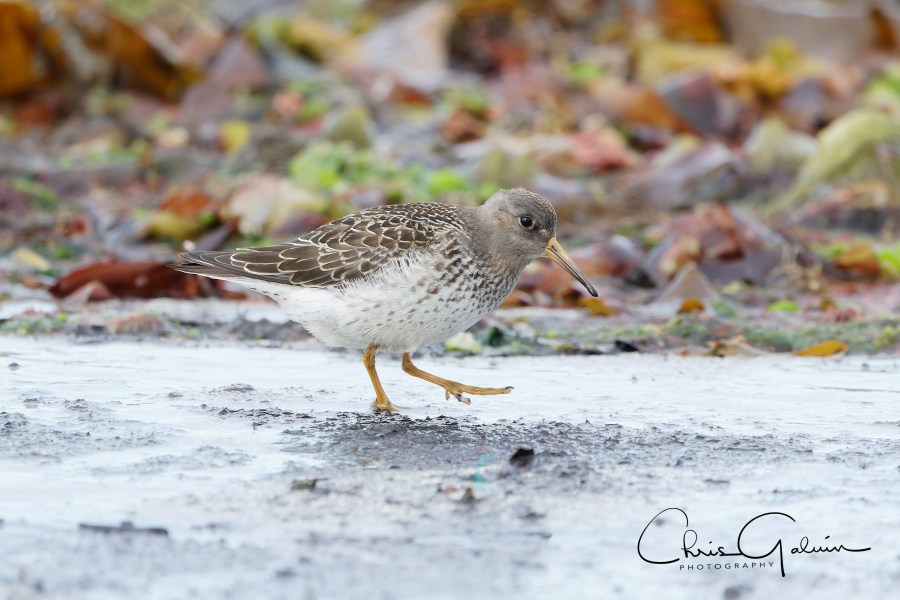
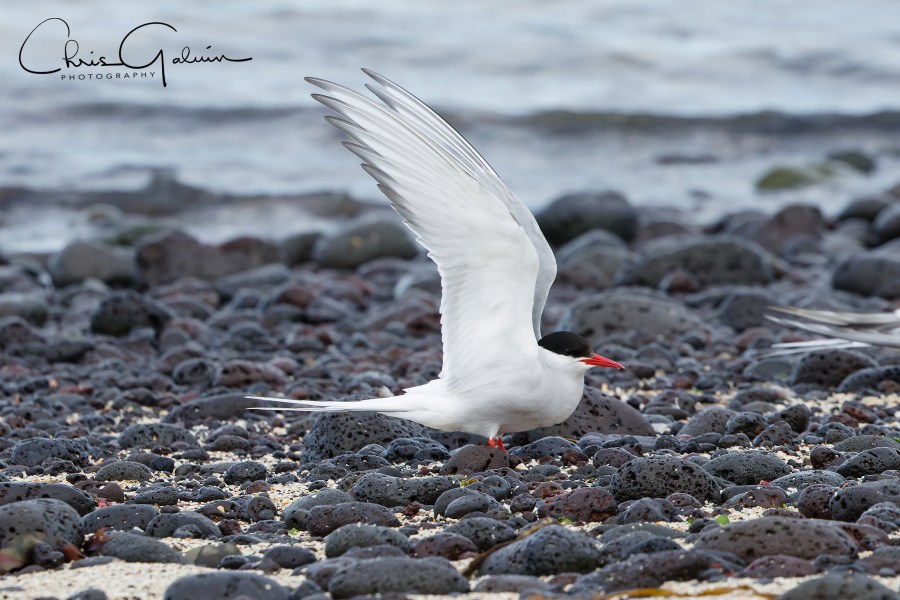
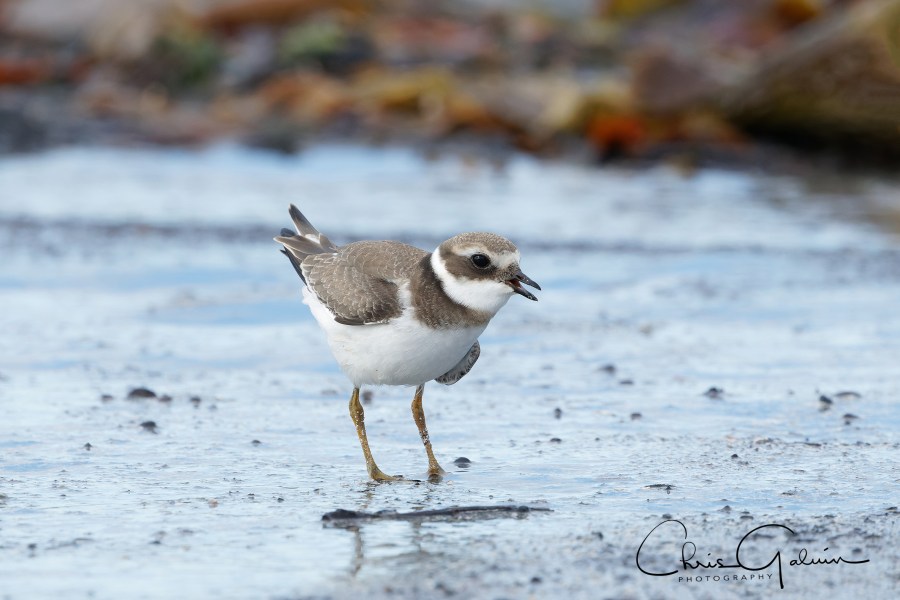
Fast forward 24 years and I was back, only this time I was looking for retail partners for Opticron. I booked an EasyJet flight from Manchester which went on a Sunday morning and returned on a Thursday afternoon. I centred the search on Reykjavik as this was realistically the only area that I could cover in the days available to me. The flight from Manchester was a 6:35am departure that arrived in Keflavik at 8:15 an hour behind BST. When I got off the plane and collected my hold bag I decided to head out to Garður as it was close to the airport and where I would be staying over on the Wednesday evening, before the early morning return to Manchester. I found where the hotel was, near the lighthouse and went for a walk along the beach. The sun was up, the light beautiful and no wind. There was a small flock of noisy Arctic Terns on the beach near the lighthouse as the adults protected the pristine ginger juvenile birds. Further along the beach I found more pristine juvenile birds which included a couple of cracking juvenile Ringed Plover that were very obliging and three juvenile Purple Sandpipers as well as Dunlin I stayed for about an hour taking some pictures before heading along the N41 towards Reykjavik.
As it was a Sunday I thought that I would go to Reykjavik and see how busy the harbour was that operated the Whale Watching tours. I was lucky with the weather here too with 18°C & sunny, but with a stiff breeze. I had some time to wander around the harbour before checking in with Special Trips who was the tour operator I had booked with for the trip. The harbour was busy with lots of different craft operating whale watching or Puffin trips. Luxury private yachts, an old whale-bone style rowing boat that had been converted to have a couple of high power outboards on it, several ribs, upon which participants had to wear a dry suit, and finally larger craft that looked like old passenger ferries. I was booked onto the Andrea. I got to the gangway early so that I could claim a decent place onboard to take images. As the time got closer to departure I got surrounded by the continually babbling noisy American and Chinese tourists, this would happen at every stop on this brief tour around the south west of the island.
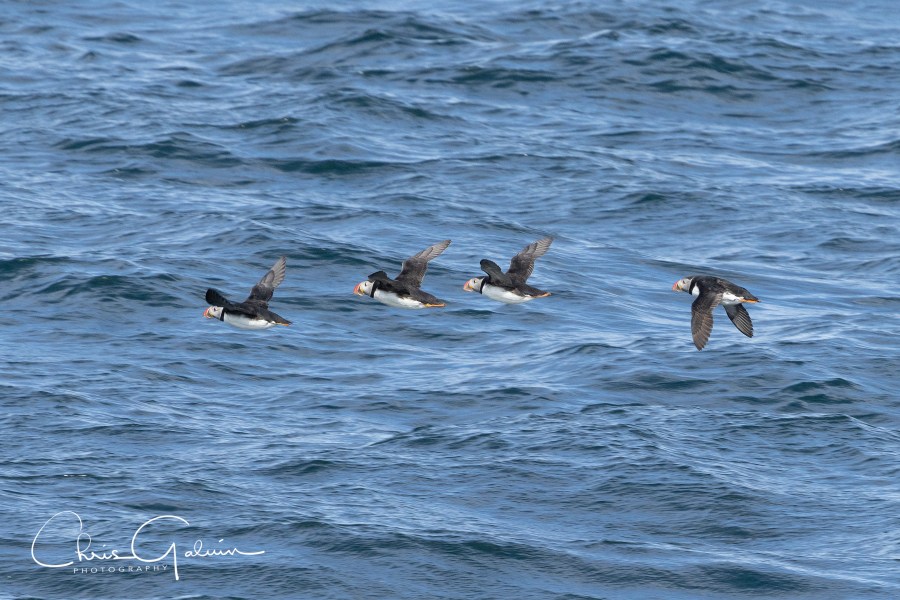
Once onboard I staked out a place that I wanted to bird from, keeping a watching eye on the birds would locate where the whales were feeding. As we headed out into the bay, we watched the passengers on the rib get soaked as waves crashed over the gunwhales, Northern Fulmar on stiff wings were soon in the wake and Atlantic Puffin with rapid wing beats were popular with the Americans. It took about 20 minutes to reach the nutrient rich feeding grounds in the outer bay where the water was deeper. It was here where we found the first of three Fin Whales. None of the dramatic feeding and lunging that we would experience later with the Humpbacks, just the odd dorsal fin as they swam close to the boat. We found the first Humpbacks by watching where the Gulls, Kittiwakes, Gannets, Puffins & Fulmars were. The Humpbacks have a feeding technique that involves them working together as a team. They take a deep dive and surround a shoal of fish with bubbles and swim around them forcing them to the surface when they lunge upwards open-mouthed scooping up thousands of fish. Once the first Humpback appeared anyone who had a place at the rail was surrounded by by tourists with iPhones taking video and images, I’m amazed that I didn’t see a phone plunge overboard. We watched a family party of Humpbacks for what must have been an hour and other boats headed over to our location to watch the spectacle, including the ribs who got very close, perhaps too close to the whales.
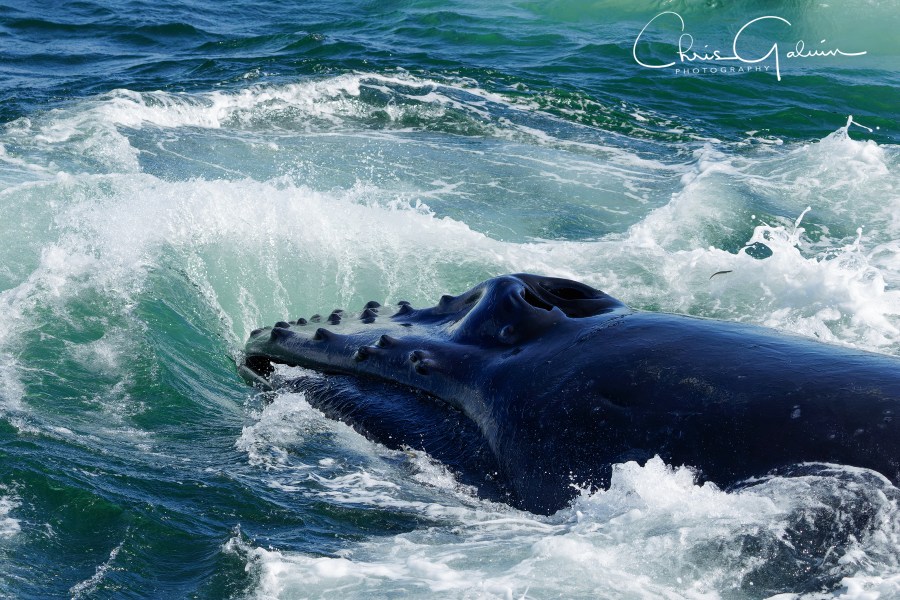
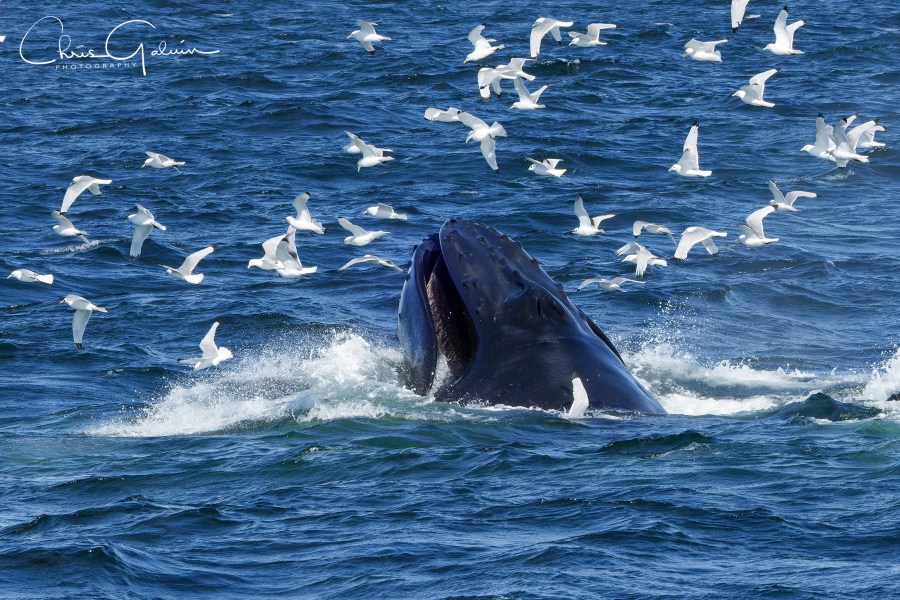
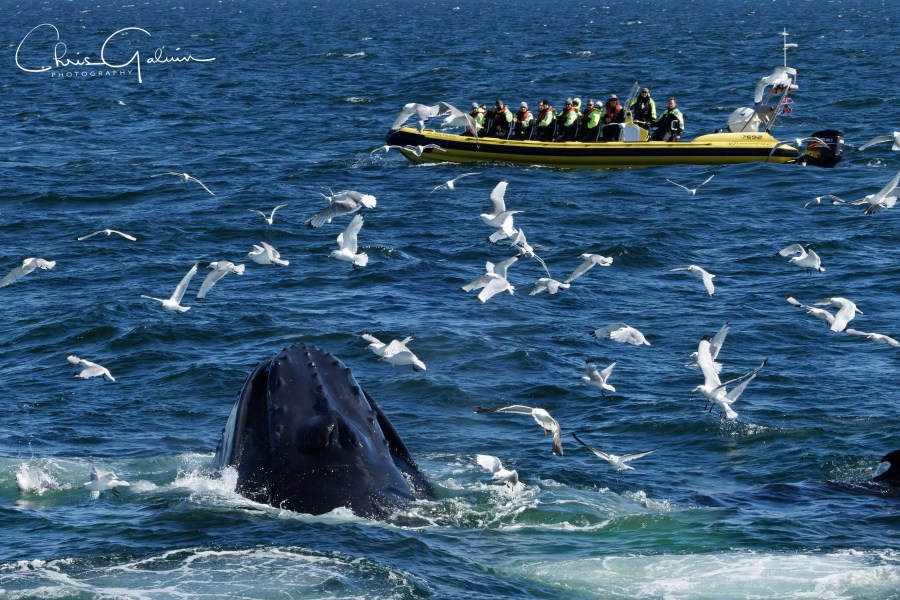
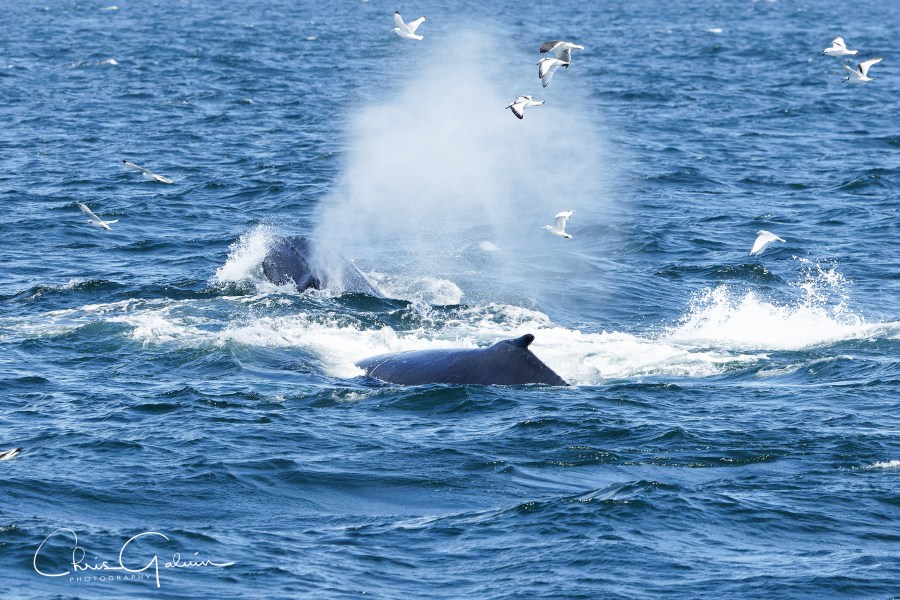
We had followed this feeding family group of Humpbacks for a little over an hour before heading back in to the harbour where could pick out local landmarks, such as the Volcanic Cone, Keilir which is a 379m conical volcano that towers above the Reykjanes peninsula . I later tasted a craft beer, named after Keilir and posted the note below into the beer tasting Facebook Group I created a dozen or more years ago.
Meet my latest new beer and first of the week in Iceland  Keilir is a 379m volcanic cone that towers above Reykjanes peninsula and visible from the sea and is used as a landmark to mark fishing grounds. It is one of the first landmarks you see travelling from Keflavik airport to Reykjavik. The beer is an IPA, dark and tasty. I’m enjoying it before asking the price
  . The price was much less than expected at only the Icelandic Krona equivalent of £6.
After a really enjoyable three hours out at sea we disembarked and I headed out of the city, south along the Reykjanes peninsula & the N41 for my hotel for the next three nights in Grindavik, the aptly named Geo Hotel. To get to the hotel I had to travel on a newly constructed road over freshly cooled lava flow from the volcanic eruptions over the last couple of years. There have been nine volcanic eruptions in the Grindavik area since December 2023 following a series of serious earthquakes in November 2023. This has led to the town being virtually abandoned. Following the earthquakes large crevices appeared within the town rendering large areas unsafe and unoccupied. At one point the whole town was looking like it may have been swept away by the lava flows. It was incredible to see the massive berms that had been contructed by Icelandic engineers in an effort to direct the lava flow away from the town. It was not allowed to stop on the road near where the lava had been flowing and it was regularly patrolled by Police to make sure you didn’t.
Day two dawned and I was up up early as I usually am and decided I’d try explore the area close to the harbour and away from the lava flow. I found very little, other than Northern Wheatear & Golden Plover. During my walk near the Hópsnes Lighthouse I thought I had found large mammal hunkered down in the ancient lava field. I took a few images and examined them finding that the shape was just a lava formation. I found some Black-tailed Godwit on the way back to the car before heading back to the hotel for breakfast and on to work in Reykjavik.
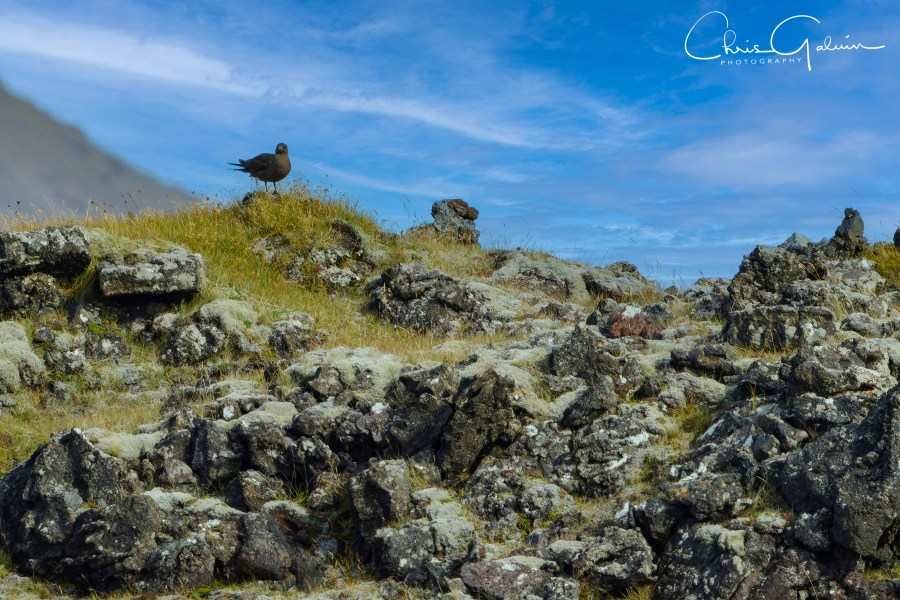

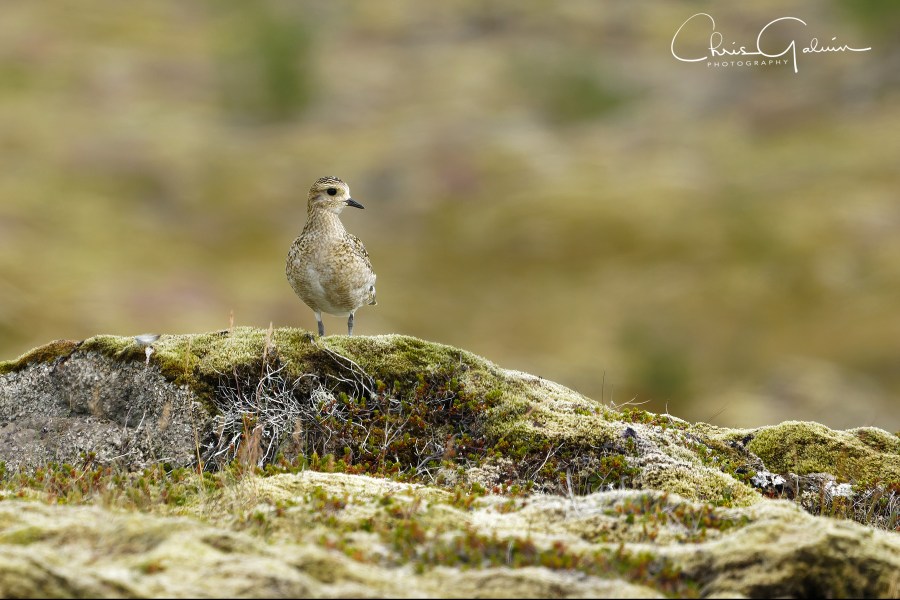
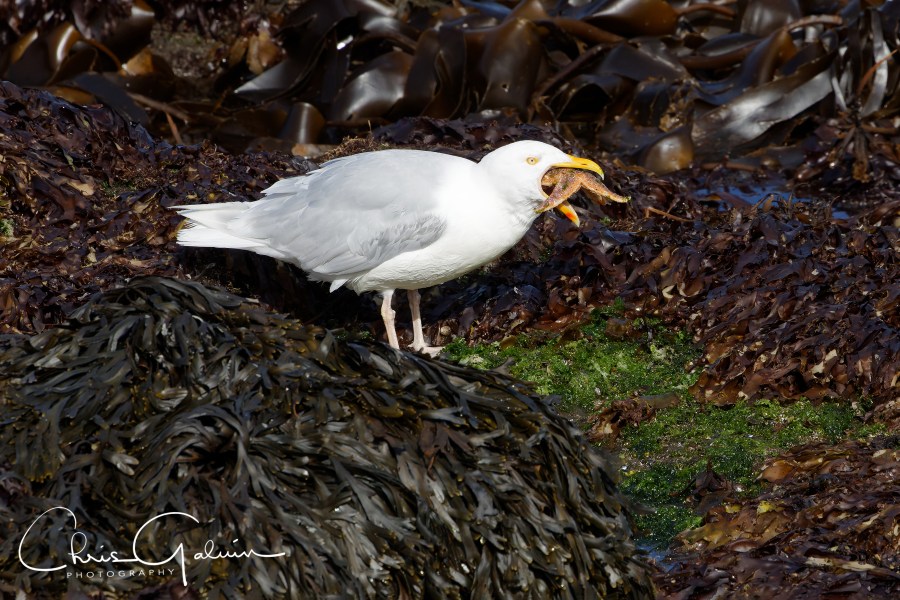
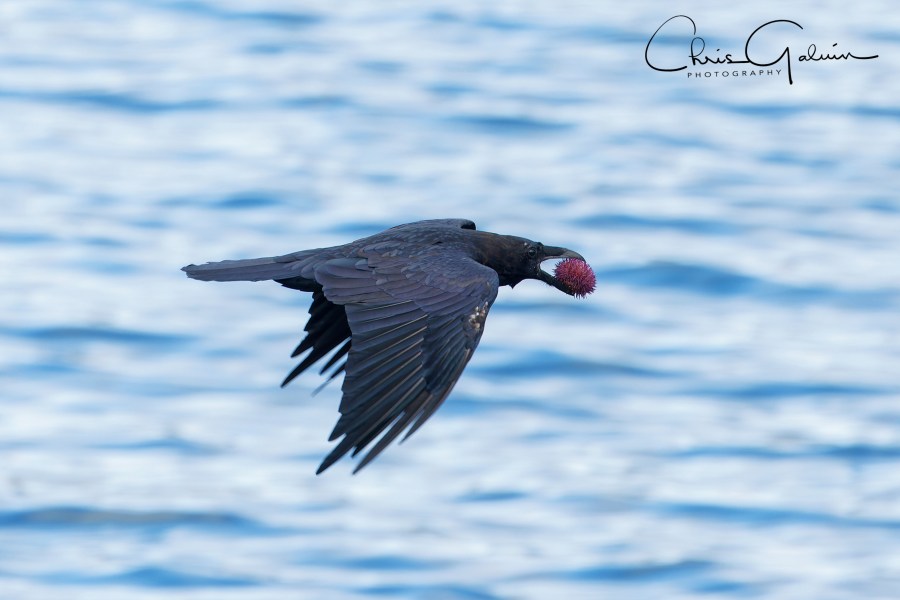
The following day I would be driving for a while towards the Snæfellsnes Peninsula to see a tour company, Certainly one of the most scenic drives I have undertaken anywhere. The destination was Grundarfjörður. When I arrived there was a massive cruise ship anchored offshore in the bay. the result was that the small town was rammed with tourists, even with queues outside the local coffee shop. Nobody was available from the tour company so I spent sometime photographing the local Glaucous Gulls. A couple of them were very adept at catching and after some juggling, eating them. Some ravens were also on the beach and I caught one of them in flight with a sea urchin. Despite some looking on nearby streams I could not find any Harlequin Ducks. The following day was spent in Reykjavik following up on leads before heading home.
 Chris Galvin