After almost two decades working as a Regional Sales Manager for the British sports optics company Opticron, I have covered a lot of ground. While it may seem like an ideal job for a birder, the reality involves extensive travel across the UK to visit retailers and support optics events. In the last 15 years, this has expanded to include regular trips to Europe and even the USA. Currently, I manage territories spanning Sweden, Netherlands, Denmark, Latvia, Estonia, Lithuania, Ireland, and half of the UK, with potential for more. I have also he worked at several of the largest US Birding Festivals.
However, the constant travel can take its toll, with long days driving, flying, and countless nights spent in hotels. When people hear about my job, they often romanticize it as glamorous, but the truth is quite different. I often find myself dining alone, yearning for the comforts of home and, of course, missing my wife. I can’t help but imagine what we would be doing together in Gothenburg, Stockholm, Amsterdam, Copenhagen, Dublin, Riga or San Diego instead of being on yet another solo business trip.
Despite the above statement, I occasionally manage to stumble into the right place at the right time, even if it’s just to visit nature reserves as part of my duties. It’s not exactly a glamorous job like being a Birding Tour Guide, or an Antarctic Cruise Resident Birder, or an Ecological Surveyor posted to Ecuador to study Ant-Shrikes. No, instead, I get to enjoy the delightful world of sales, complete with all its oh-so-glamorous aspects. I do though love many of the aspects of my job. I get to test new products before they come to market, and I never have to buy any optics. Testing new products can be quite exciting, especially when I get to see innovative ideas come to life. It’s like being a pioneer in the world of sales, exploring uncharted territories to uncover potential opportunities. And not having to buy any optics? Well, that’s a definite perk of the job. Plus, I also get to interact with a variety of people, each with their own unique perspectives and experiences, which adds an extra layer of enjoyment to my work. There is nothing quite like watching someone’s face light up when you have shown them their first Waxwing, or Kingfisher, or even listening to a Nightingale for the first time on a Dawn Chorus event.
But that’s not what you want to hear me chunter on about, it’s all about the birds. Where have you been, what have you seen, I hear whispered? Well, let’s crack on and introduce some of the birding experiences I have had, and some of the birds I have photographed after almost two decades on the road. Over the years I have developed a bad habit of not writing up a diary after a day in the field. The following paragraphs are what I wrote up for David Lindo who wanted stories about Urban Birding, with him marketing himself as the Urban Birder of course. David never used this piece, never-the-less I enjoyed writing it.
Birding the ‘burbs
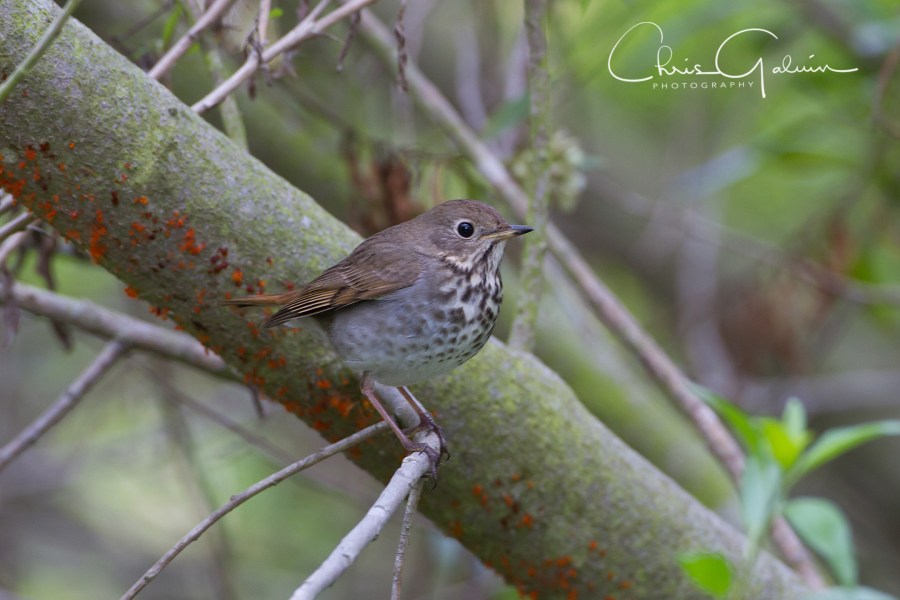
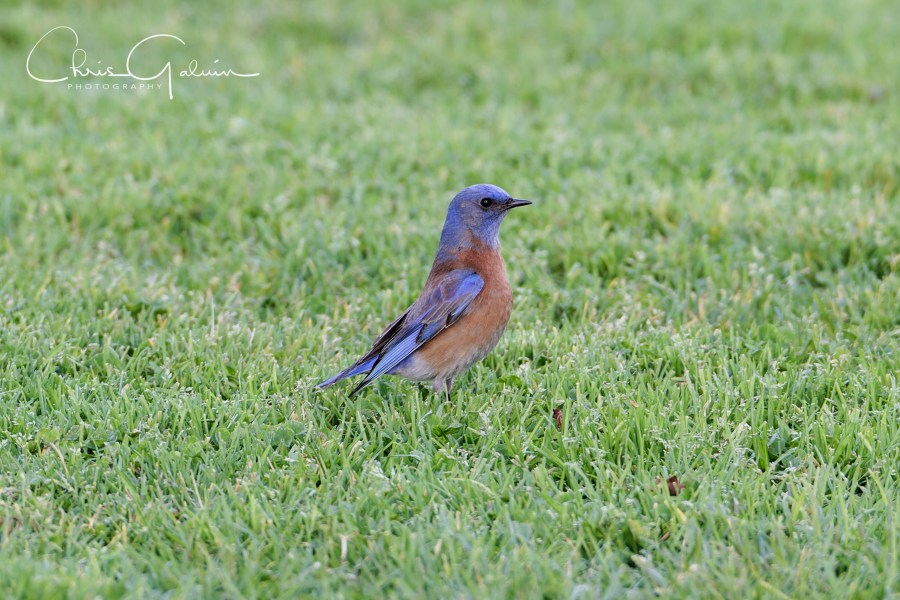
I got out of the car and tried to close the rear offside door quietly, but it was a big American SUV with a big heavy door and needed more of a slam, so I tried again. Four doors slammed and the tail gate as the four of us disembarked. A lot of noise for this time in the morning. Too much noise! We walked thirty yards along the road then there it was the contact call. Pssst! Then louder with a more pronounced hissing. Vsshhhh-vsssshhhhh. It was 8:15 on a balmy Sunday morning in a very wealthy suburb of San Diego. This was a suburb where real estate prices typically have seven zeros, a suburb close to the Pacific Ocean that is patrolled by armed private security firms and four khaki-clad men with binoculars were making hissing sounds in the bushes. But we were not the first group of like-minded individuals that had been here. This had been a haunt for a lot of middle aged men for about six weeks. Some of them had cameras but all had binoculars and they all made hissing sounds at the bushes. There had been wintering Black-throated Green, Black-throated Blue and Black-throated Grey Warblers as well as an Ovenbird in the area. This is what was attracting birders to this part of Ocean Beach. American passerines react totally different to pishing than passerines in the UK. Pishing or making loud hissing noises attracts curious birds in North America that come to investigate. It is thought that the noise instigates a mobbing instinct within the birds who think that the pishing noise is coming from a predator. It is just amazing how easily this works in North America. In the UK it just does not work or at least I’ve not seen it work anywhere on this side of the pond. Bruce pished again before the Hermit Thrush briefly came out to investigate what was making all the racket. It was an all too brief sighting and the small Catharus thrush slinked back into the undergrowth. Audubon’s Warblers were still in almost every tree but no sign of the Black-throated birds. Western Scrub Jays were highly visible on the roadside and we had a brief sighting of Ruby-crowned Kinglet. As time was limited we headed back to the car. As we started to move away I kept asking myself how I would react if someone was making that noise feet away from my front door early on a Sunday morning.

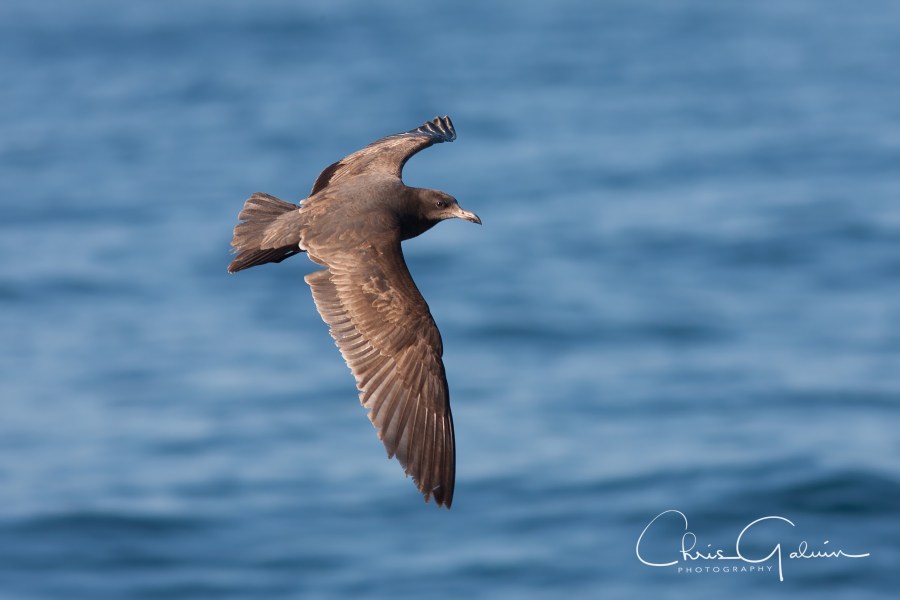
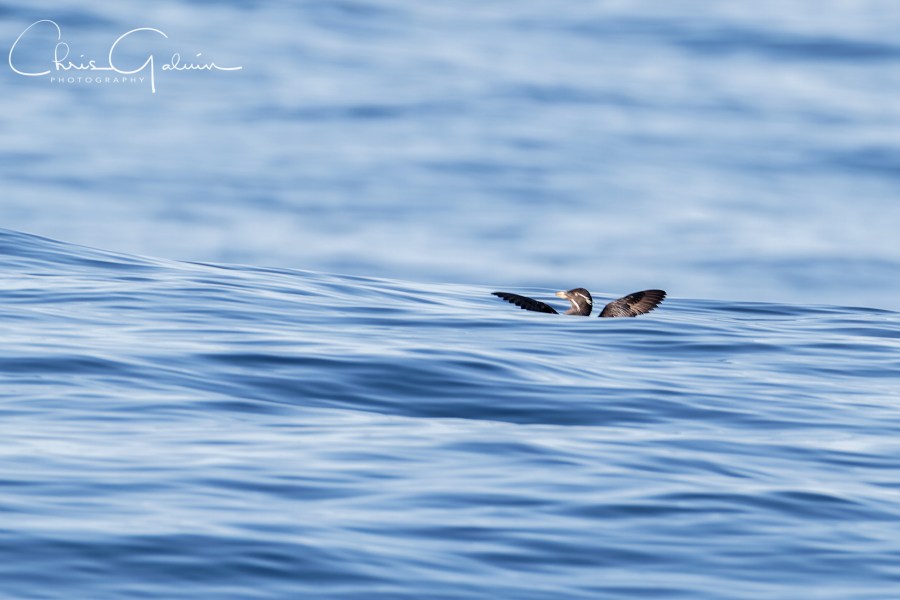
Earlier we had been we had been in another part of Ocean Beach close to the Ocean Beach pier. Again we parked outside a house that had a magnificent view of the mighty Pacific Ocean and stood on the footpath that led down the cliffs to the beach. We were looking for Black Turnstone, Surfbird and possibly Wandering Tattler. What immediately struck this experienced seawatcher was the sheer number of birds that could be seen with the naked eye. Squadrons of American Brown Pelican glided by on stiff wings before splash diving down into the sea near the pier. It was chaos near the pier, not only were the pelicans diving into the sea but chocolate-coloured 1st year Heermann’s Gulls were easily picked out from the California and Western Gulls that joined them. The Forster’s Terns looked like marauding bandits complete with their dark masks dived close to the pier in amongst the fisherman’s lines along with Pelagic, Brandt’s & Double-crested Cormorants. No sign though of what is was being called by Bruce as Rockpipers. Every wader on the rocks below seemed to be a Spotted Sandpiper. Away from the pier I was amazed at how many Aechmophorus grebes were on the sea. Most of them were Western Grebes but on closer examination we managed to pick out a few Clark’s Grebes with their cleaner face and bright yellow-orangey bill. Just how many of these birds were pure Clark’s is unsure as these two species tend to hybridise. Common Loon and Pacific Loon also on the sea but the highlight for our new American friends was to be a full summer plumaged Red-throated Loon, an uncommon sight this far south in California. We quickly mopped all the species readily available on the sea before moving on again a little further down the coast. I’d would have loved to have been here longer for a full blown seawatch.
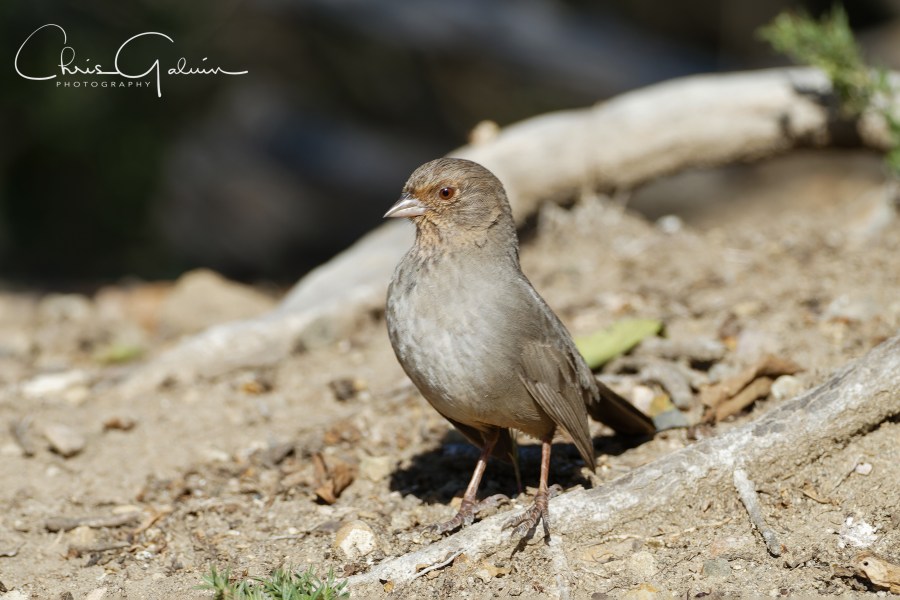
We were headed for Point Loma and the Cabrillo National Monument which would be our last stop for the morning. We tried and failed to get sighting of both Wandering Tattler & Surfbird but patience finally paid off when we found a Black Turnstone feeding on some tidal wrack at the base of the sandstone cliff. White-crowned Sparrows seemed to be in every small bush. We picked up Song Sparrow on call quickly followed by Spotted Towhee. Western Scrub Jays here were stupidly tame and were an easy study for Pete. I’d done well getting the ‘California’ birds so far but still needed a couple more. The California Towhee surrendered and was on show immediately when we arrived at one particular car park but would we get the Thrasher & Gnatcatcher I’d missed the day before in the Anza-Borrego Desert. The Gnatcatcher responded to a tape that Steve played and popped out of the shrubbery to see where its rival was singing from and was duly added to the day list and meant a cleanup of all the US Gnatcatchers available on this trip. We were very close to the end of our time here when our American hosts decided to give it one more effort close to the Cabrillo National Monument. This worked out brilliantly as we not only pished a pair of Wrentit out of the bushes but we finally got close to a calling California Thrasher. Two birds were calling to each other and we decided to drop down the hill in one final push to get the last lifer of a hectic trip. This bird had eluded me all weekend and although keen to see it, I thought we’d miss this one too. We got closer and closer to the calling birds but still no sign of them. Then suddenly one bird ran out of the dense chaparral onto the pavement of the car park quickly followed by the second bird and they scurried ahead of us on the pavement with a peculiar tail-cocked gait, exposing the peachy-orange under tail coverts. We witnessed a brief pair bonding ritual of bill tapping before they disappeared back into the chaparral. A couple of High Fives and a strange Californian handshake with Bruce and that was the end of great mornings birding. We headed back to the Hotel to check out before working the final few hours at the San Diego Bird Festival.



 Chris Galvin