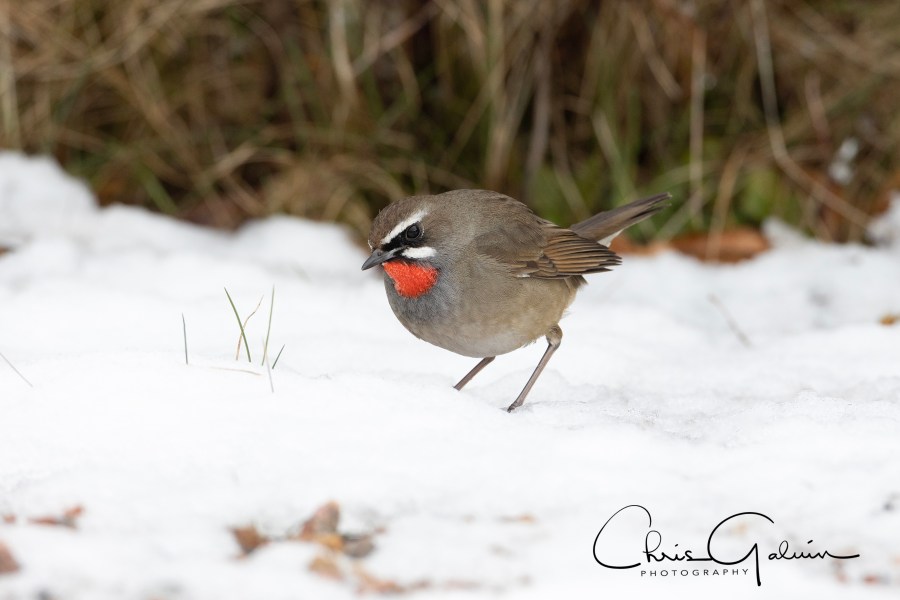
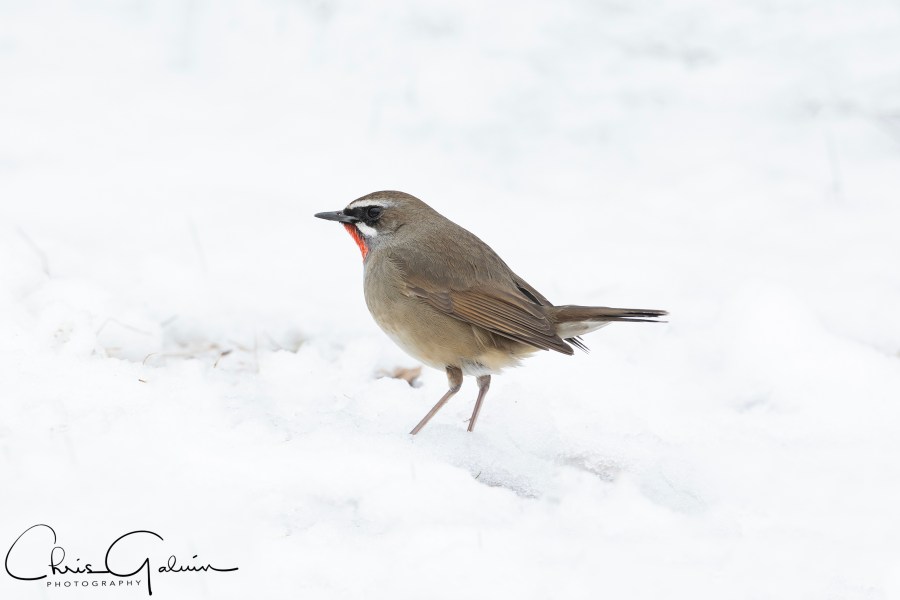
Once thought of as the Holy Grail of birds to be seen in the UK, and famously called a Cosmic Mind F*cker by Bill Oddie in his Little Black Bird Book; Siberian Rubythroat is still one of the most sought after birds for the majority of birders in Britain. There have been less than 20 records of the bird being observed in the UK and they are mainly in far-flung islands or inaccessible one-day birds. There has not yet been a mass twitched, accessible bird on the mainland that I am aware of. When a male turned up on Shetland in 2011, I thought “Oh well, I don’t twitch the Northern Isles”. But then it hung around, and images started to appear one the internet of the bird and I thought, “hmm, should I dare?” I tried and failed to put together a four-man team to go to Shetland. After exhausting all possibilities I decided that I was going to anyway. My nephew was studying in Aberdeen at the time so I drove up, took him out to dinner and then took the overnight ferry to Lerwick. There were a few birders on the ship including Paul Hackett, so we had a few pints in the bar before setting off to the quiet area for some sleep.
Dawn broke as we entered the harbour at Lerwick and the excitement levels started to rise. Phil Woollen appeared as we disembarked and had a hire car so ferried a few of us to the site. The bird had been performing and giving amazing views for some time. However by the time I arrived there had been a trespass incident by a photographer and the owner of the property had withdrawn all access to the bird that was in his garden. The assembled dozen or so birders had to watch through scopes at the gate at the end of the drive, as the bird appeared at the foot of some pine trees some 90 metres away.
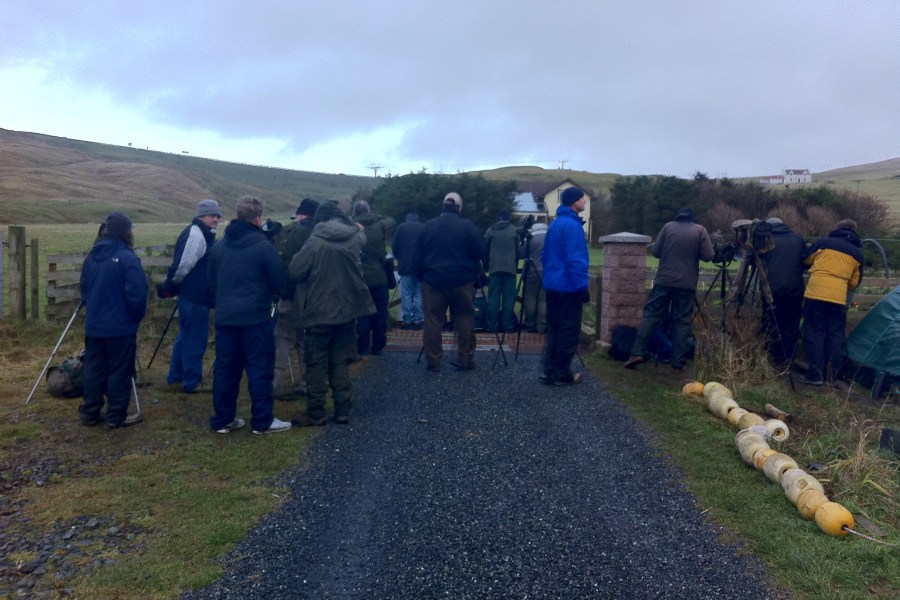
It was a Siberian Rubythroat, beautiful, and was ticked, but frustratingly stayed beyond the reach of the camera lens. I remained positive that the bird would range more widely in search of food as it had before, so I settled in for a day long vigil. Elsewhere on the island there was a Turkestan Shrike and most folks went off to see that bird, but I stayed with target #1. It was a forlorn task as the bird stayed agonisingly out of reach. I took lots of record shots thinking I may be able to rescue something out of one of them, but the distance, the gloom and the high ISO used rendered all the images as useless. I was so disappointed with the images that I just edited a couple, saved the JPEGs and even deleted the raw files. No DXO Pure Raw then. It was though a Siberian Rubythroat, in Britain and I had seen it, a world tick, and I kept telling myself that over and over on the long journey back home.
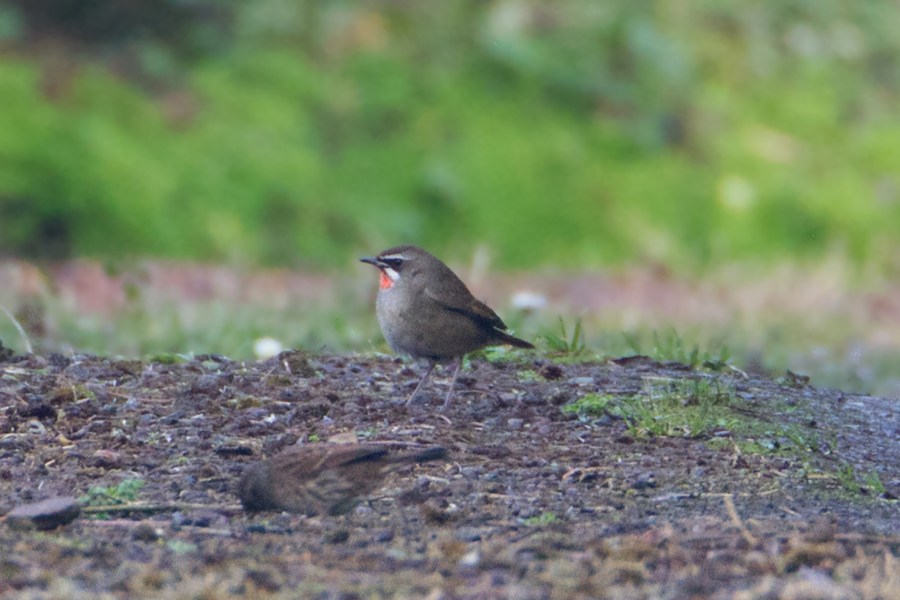
Fast forward almost five years later and I am away in the Netherlands for work. A male Siberian Rubythroat is wintering in a garden in the small Dutch town of Hoogwoud. I made some time in my schedule of visiting customers to spend some time looking for the bird at Beukenlaan. Located in minutes I settled in to see if it would come out of the garden it was feeding in. I set the camera up on a low tripod and waited. Less than twenty minutes later the bird walked out of the garden under the fence towards me and kept coming. I’d upgraded to the 1DX by that time and was rapidly filling cards. Half a dozen other folks on site including two guys who twitched the bird from Poland and the bird was not spooked at all providing amazing views. At one point it walked up towards me and past my lens that was on the pavement and outrageously I took some poor video of it with my iPhone as it walked past. Birders came and went having seen the bird but I stayed and eventually I was on my own with this mega bird. The bird had been onsite most of the winter, and the internet was full of images from Dutch photographers taken here, but I kept asking myself if I would have it to myself in the UK – probably not! I went back the next morning for an hour and I left the bird singing in a tree. I said after seeing this bird and being up close and personal and not one of several hundred birders & photographers that I had got more than what I thought I could’ve got from the Shetland bird and that I would not want to twitch another one, especially not on mainland Britain.
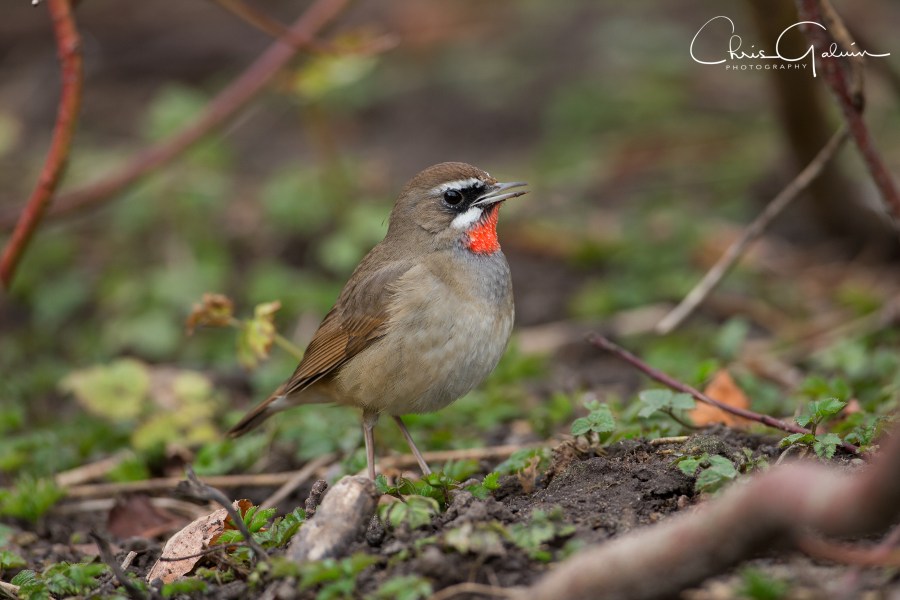
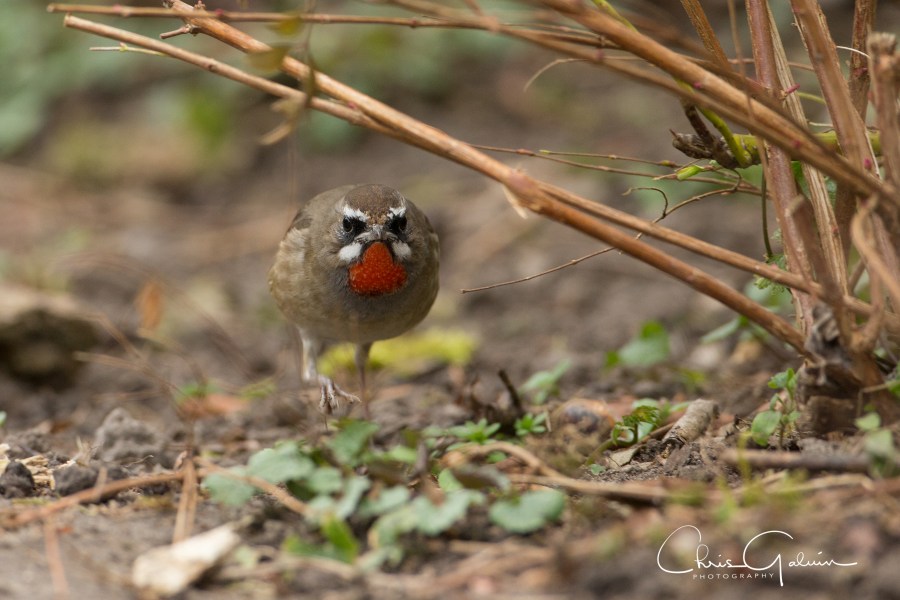
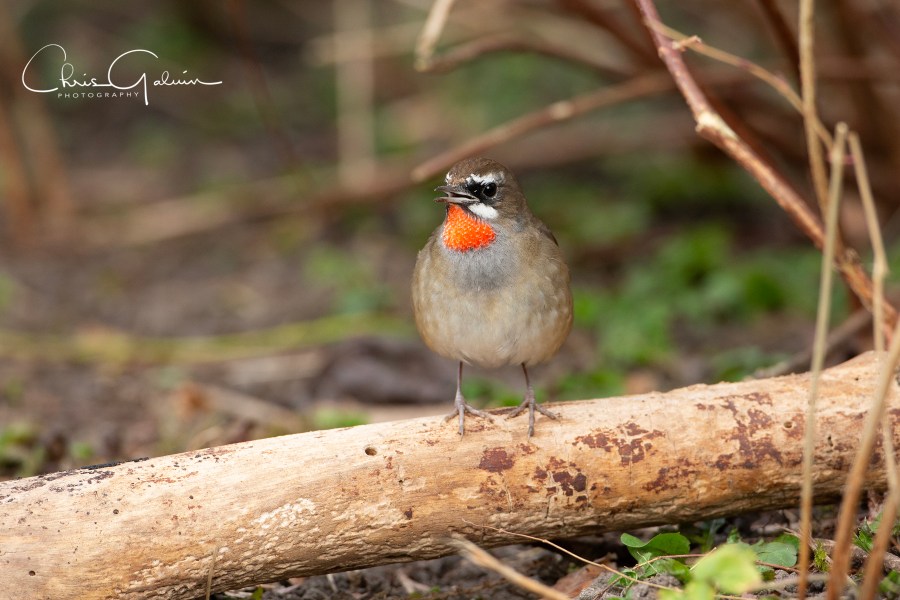
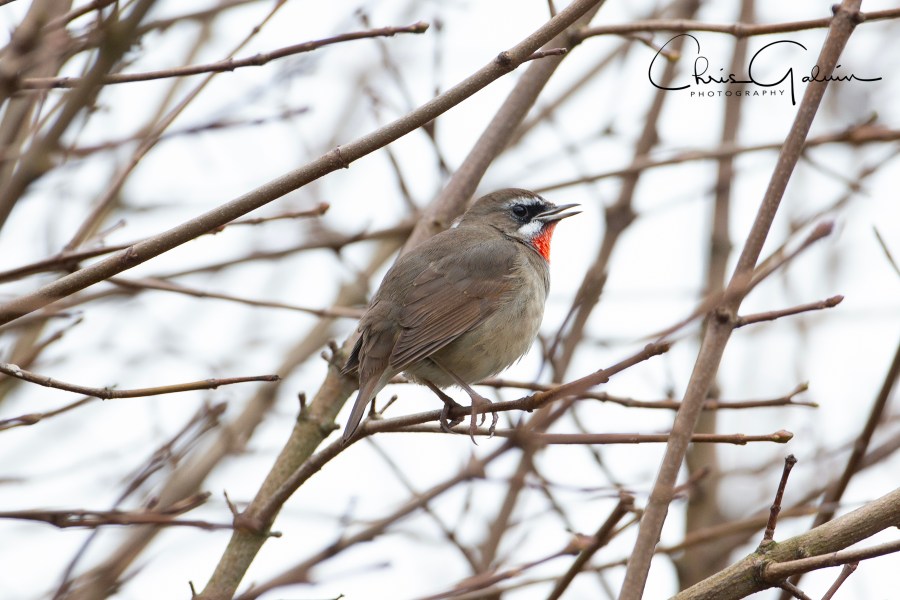
If we roll the calendar on another 6 years to 2022 I find myself in Sweden for work and in the small town of Vargön, near Trollhattan and another Siberian Rubythroat is wintering in Europe. I was working on the western coast of Sweden and got a flight out of Liverpool to Landvetter, which serves Gothenburg. Vargön is about an hours drive north from Landevetter and again I find myself watching a Rubythroat within twenty minutes of arriving onsite. It was a beautiful Sunday morning and there were seven of us watching the bird, six of them would leave after short while leaving me all alone with the bird in the hedge. It seem ludicrous to suggest that this bird performed even better than the Dutch one, but it did and I filled my boots once more.
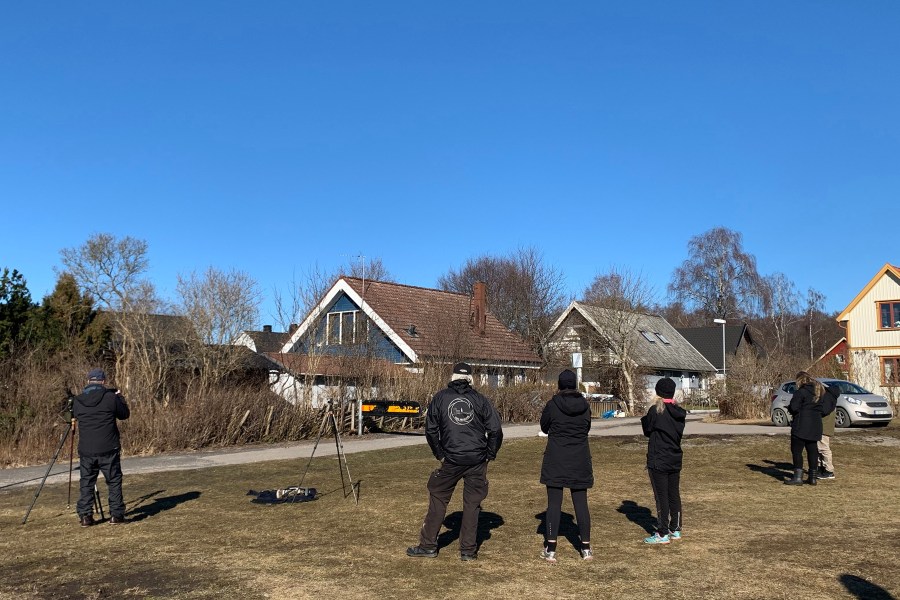
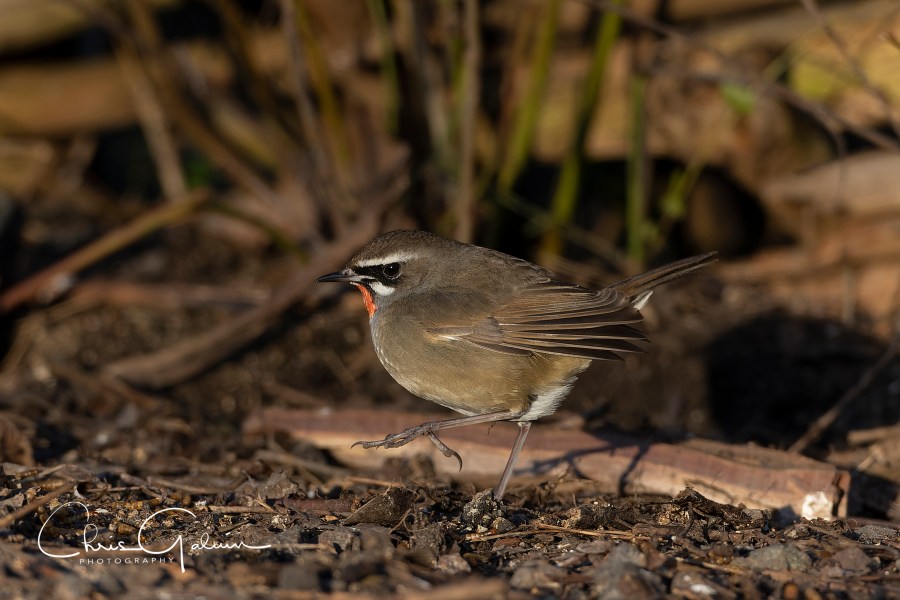
Astonishingly, that bird returned to the area the next winter and again over wintered some 4 km from Vargön at Hjulkvarn and I caught up with it on 29th March 2023. This time students from Lund University had managed to ring the bird and placed a tag on it to try and establish where the bird was summering. Unfortunately it did not return for a third winter. This time I was completely alone with the bird for the whole time I was there lying in the deep snow.